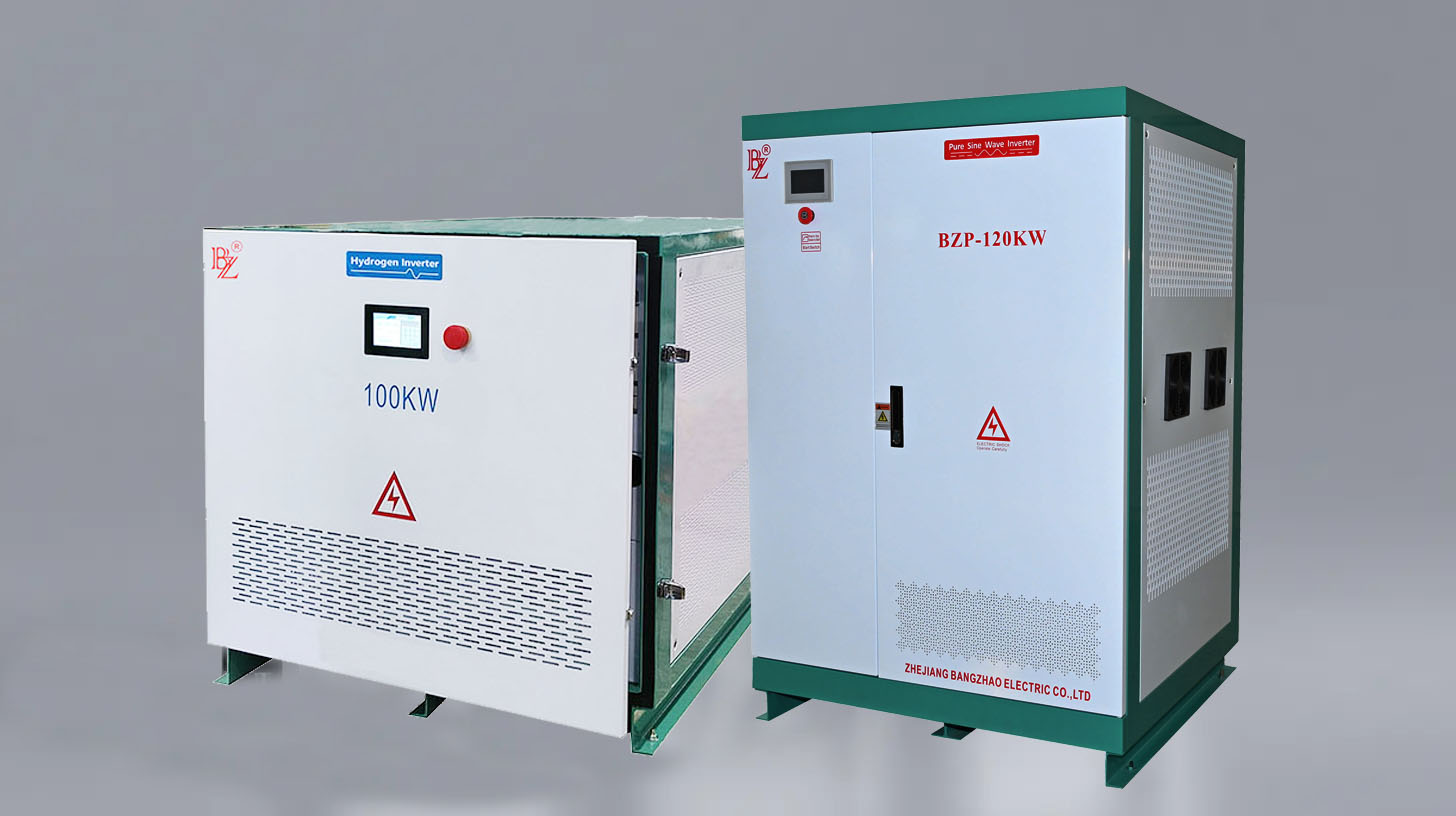
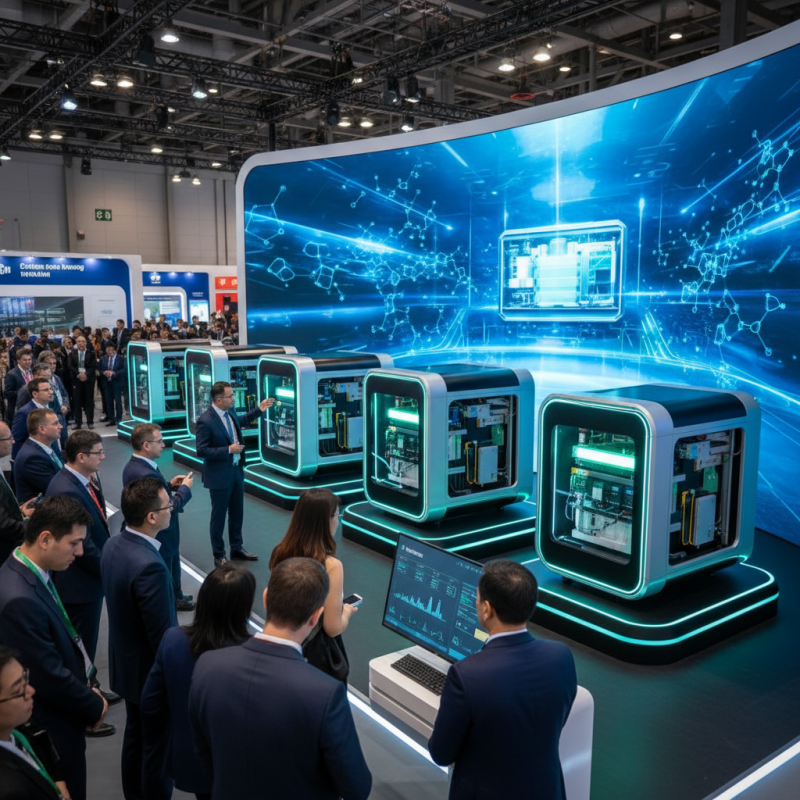
So, at this year's 139th Canton Fair, everyone's really buzzing about the newest in tech—especially the Hydrogen Inverter. Honestly, it's a pretty big deal when it comes to pushing forward clean energy solutions. With the world’s energy needs just keep growing, this little gadget seems like a clever way to turn hydrogen into electricity efficiently. Seeing it highlighted at the fair really shows how serious everyone is about sustainability these days.
The event ran from April 15 to May 5, 2026, and covered a bunch of different industries. Companies like GreenTech Innovations brought their latest Hydrogen Inverter models to the table. Attendees had a chance to watch live demos—trust me, it was pretty impressive to see how well these inverters perform and how much efficiency they promise. Plus, the fair used AI tech to help visitors find exhibitors who focus on hydrogen stuff—which is pretty handy if you're hunting for specific solutions.
Of course, it’s not all smooth sailing. There are still some hurdles for manufacturers, like figuring out how to ramp up production without losing too much on costs. And honestly, there's a bit of a gap when it comes to educating folks about how hydrogen energy can really make a difference. But overall, the conversations sparked here could totally open doors for future tech advancements—making hydrogen a real contender for a lot of industries down the line.
Hydrogen inverters play a crucial role in integrating renewable energy sources like solar and wild power. These inverters convert hydrogen into electricity, making it a versatile energy solution. They help smooth out fluctuations in energy supply, ensuring a stable power flow. This stability is vital for both residential and industrial applications.
Tips for using hydrogen inverters: Include ensuring proper installation. Engage with experts who understand how hydrogen systems work. Additionally, regular maintenance is crucial. Check connections and the overall system frequently. This prevents issues that can arise from neglect.
Another benefit of hydrogen inverters is their scalability. They can adapt as energy demands change. However, integrating them into existing systems can be challenging. Users might face unexpected complications. It's essential to budget and plan for these potential issues. This strategic thinking can lead to more effective energy management strategies.
Hydrogen inverters are becoming increasingly important at events like the 139th Canton Fair. These devices convert hydrogen fuel into usable energy, offering remarkable efficiency. They can harness power from renewable sources, contributing to a cleaner environment. This adaptability makes them ideal for a range of applications.
Efficiency is a significant feature of hydrogen inverters. They can operate effectively across various temperatures and conditions. This versatility makes them suitable for both residential and industrial use. In practice, this means they can power homes, vehicles, and even large factories. Such broad applicability should encourage more users to consider hydrogen technology.
Despite their potential, there are challenges to address. The technology is still evolving. Reliability and cost-effectiveness need improvement. Users may find the initial setup daunting. Overcoming these aspects could harness their full potential. As awareness grows, ongoing innovation is vital to address these shortcomings effectively.
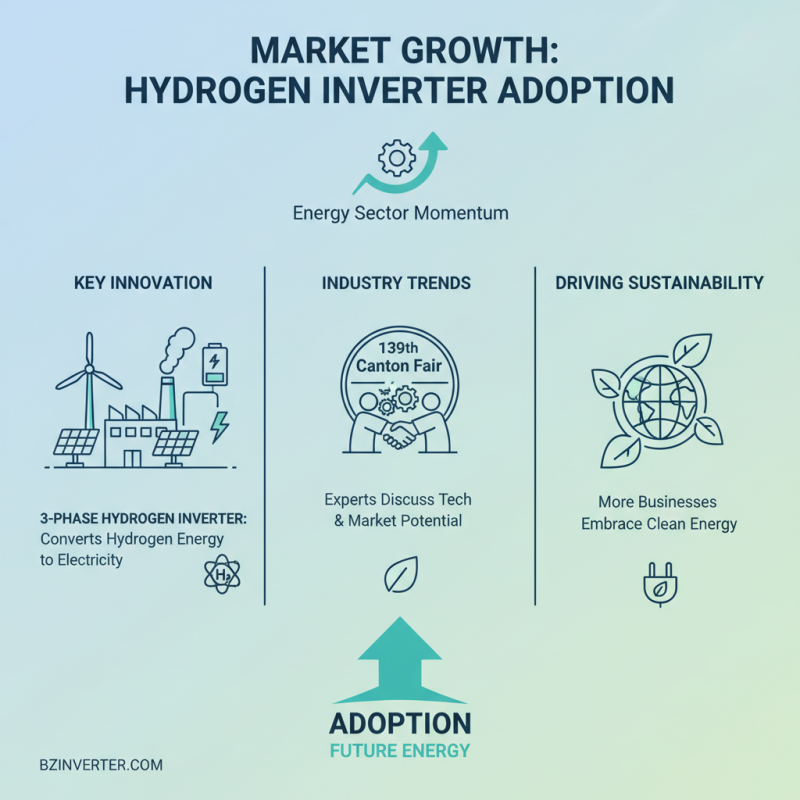
The adoption of hydrogen inverters is gaining momentum in the energy sector. At the 139th Canton Fair, industry experts discussed innovative technologies and market trends. More businesses are recognizing the potential of a 3 phase hydrogen inverter. This inverter efficiently converts hydrogen energy into electricity, promoting sustainability.
Many are excited about the versatility of hydrogen inverters. They can be integrated into various energy systems, supporting both large and small-scale applications. However, the market still faces challenges. Implementation costs can be high, and infrastructure needs development.
The potential for hydrogen inverters to contribute to energy transition is significant. Yet, awareness of their benefits needs to grow. Market players must address concerns about efficiency and scalability. There’s a need for more research and policy support. Investing in education about hydrogen technologies can accelerate adoption.
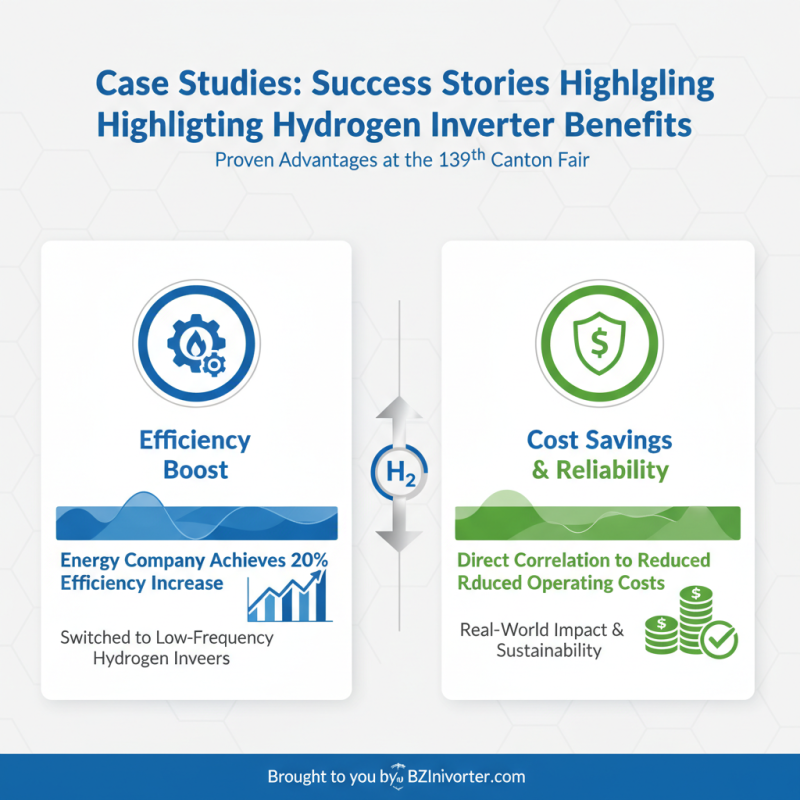
The advantages of hydrogen inverters are becoming evident, especially at events like the 139th Canton Fair. Several case studies illustrate their growing significance. In one notable example, an energy company reported a 20% increase in efficiency after switching to low frequency hydrogen inverters. This efficiency boost corresponds to actual cost savings.
Another success story involves a startup that integrated hydrogen technology into their operations. They achieved a faster return on investment compared to traditional systems. Reports indicate a 40% reduction in emissions when using hydrogen inverters, which is crucial as environmental concerns rise.
While these advancements are promising, challenges remain. Some users cite initial setup complexities as a barrier. The lack of widespread understanding is also concerning. Not all industries have embraced this technology fully. The road ahead requires education and support for businesses. Clearer guidelines could enhance adoption rates.
As the 139th Canton Fair showcases advancements in technology, hydrogen inverters are capturing attention. Their economic advantages are noteworthy, particularly as more industries seek sustainable energy solutions. A recent report indicates that hydrogen inverters can reduce lifetime energy costs by 30% compared to traditional systems. Over five years, users can expect significant savings, making them a compelling choice for many businesses.
The cost analysis reveals that the initial investment in off grid hydrogen inverter technology pays off rapidly. Data shows that these systems can lower operational expenses considerably. In rural or remote areas, they provide a reliable source of energy. This makes them ideal for those off the central grid. Notably, maintenance costs for hydrogen inverters are typically lower by 15% due to fewer moving parts. Yet, some users report challenges with integration into existing infrastructures.
Investment in hydrogen technology still invites scrutiny. Early adopters sometimes face hidden costs and installation difficulties. It's important for potential users to weigh immediate savings against long-term gains. The evolving market demands that businesses reassess their energy strategies. Investing wisely can lead to both economic benefits and environmental sustainability.
Hydrogen inverters are gaining attention for their role in promoting environmental sustainability. By converting hydrogen energy into electricity, they reduce reliance on fossil fuels. This transition helps lower greenhouse gas emissions. At the 139th Canton Fair, the discussion focused heavily on this topic. Participants were eager to understand how hydrogen inverters can make a difference.
The impact of hydrogen inverters on carbon footprints is significant. They promote cleaner energy solutions without harmful byproducts. Using them can contribute to achieving regional and global climate goals. However, challenges remain in their widespread adoption. Infrastructure needs improvement, and public awareness is lacking. Each step toward better technology requires effort and commitment.
Tips: Consider investing in education about hydrogen energy inverters. Community workshops can raise awareness. Engaging discussions can lead to innovative ideas. Collaboration among industries can drive the necessary changes. While progress is evident, it’s essential to keep pushing for advancements in this field. Overcoming obstacles will pave the way for sustainable energy solutions and cleaner air for future generations.
| Benefit | Description | Carbon Footprint Reduction (%) | Long-term Savings ($) |
|---|---|---|---|
| Clean Energy Source | Hydrogen inverters enable the use of hydrogen as a renewable energy source. | 75% | $5,000 |
| Enhanced Efficiency | Higher efficiency rates compared to traditional inverters. | 20% | $3,500 |
| Low Maintenance | Less wear and tear than conventional systems, reducing maintenance costs. | 30% | $2,000 |
| Grid Stability | Hydrogen inverters can provide stability to the power grid. | 15% | $1,500 |
| Carbon Neutral | Supports the transition to a carbon-neutral economy. | 100% | N/A |
The 139th Canton Fair highlights the significant advancements in hydrogen inverter technology. Innovations in this sector are paving the way for more efficient energy solutions. According to a recent report, the global hydrogen inverter market is expected to grow at a CAGR of over 25% from 2023 to 2030. This trend reflects a strong interest in sustainable energy.
Future applications of hydrogen inverters are exciting yet pose challenges. They can enable homes and industries to use renewable energy more effectively. For instance, integrating hydrogen inverters with solar panels can optimize energy storage. However, the cost of implementation and technology scalability remains a concern. Industry experts emphasize the need for robust infrastructure to support this transition.
Moreover, advancements in hydrogen fuel cell technology enhance the performance of inverters. These improvements lead to higher efficiency rates, which can exceed 95%. However, many companies struggle with operational efficiency. Bridging the gap between innovation and market needs requires continuous research and development. The focus must be on making these systems affordable and accessible.
: Hydrogen inverters convert hydrogen to electricity, integrating renewable sources like solar and wind power. They ensure stable energy supply.
Regular maintenance is essential. Check connections and the overall system often to prevent issues resulting from neglect.
Hydrogen inverters adapt as energy demands change, supporting both small and large-scale applications. However, integration can be challenging.
High implementation costs and the need for infrastructure development are major challenges. Unexpected complications can arise during integration.
Some case studies show a 20% increase in efficiency after switching to hydrogen inverters. This can lead to significant cost savings.
Reports indicate a potential 40% reduction in emissions when using hydrogen inverters, addressing rising environmental concerns effectively.
Many industries lack understanding of hydrogen technology. Better education could enhance awareness and support for its adoption.
Budgeting for potential challenges is vital. Strategic planning can help manage energy more effectively and address integration issues.
Some companies have reported a faster return on investment than traditional systems, showcasing the economic benefits of hydrogen technology.
There’s a need for clearer guidelines and more research to address concerns about efficiency and scalability in the market.
Hydrogen inverters are emerging as a pivotal technology in the renewable energy landscape, offering numerous benefits for energy integration. Their efficiency and versatility allow for seamless incorporation of hydrogen into existing energy systems, which is crucial as the world shifts towards sustainable energy solutions. The growing market for hydrogen inverters reflects their adoption within the energy sector, evidenced by successful case studies that highlight their operational advantages and economic viability.
Furthermore, hydrogen inverters demonstrate significant cost benefits over time, making them an attractive investment. They play a crucial role in reducing carbon footprints, contributing to environmental sustainability. Innovations in hydrogen inverter technology are expected to pave the way for new applications, enhancing their role in the future energy ecosystem. Overall, the benefits of hydrogen inverters position them as a key player in the transition to cleaner energy solutions.